Beyond My Story
Take Care of Maya: When the Advocate Becomes the Accused
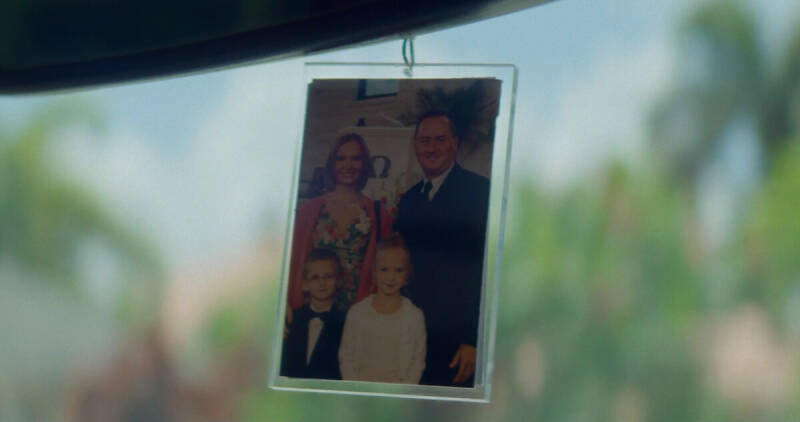
Image: Netflix / Take Care of Maya. About the documentary
The Netflix documentary Take Care of Maya tells the Kowalski family’s story of seeking medical help for their daughter, only to face child-abuse allegations and separation. It presents those events from the family’s perspective.
What makes me angry is the way the documentary portrays a mother’s determination to advocate for her child becoming a reason to question her credibility. To me, it shows how a desperate mother can be treated as the problem, while the hospital’s position carries the authority of medical expertise. The focus shifts to her behaviour, her emotions and her persistence. But what about the concerns she was raising?
Beata deserved to be heard while she was alive. By the time her story reached the world, she was already gone. She had committed suicide, due to the stress the hospital caused her. That is heartbreaking—and infuriating.
That is the connection to my father’s story and my own documentary: the struggle to have a family’s evidence heard when its account challenges the institution’s version of events. When attention shifts toward an advocate’s anger, persistence or emotional state, the questions they raised can get pushed aside.
I recognise that struggle. In seeking answers about my father’s care, I have also found myself defending my credibility while trying to get the evidence examined.
Being angry does not make me dishonest. Being persistent does not make my evidence disappear. And wearing a white coat does not make someone automatically right.
A family’s distress does not invalidate its evidence. A hospital’s authority does not place its account beyond scrutiny.
My documentary will be coming soon. We will ask viewers to examine the records, communications and contradictions—and give the real factual evidence the attention it deserves.
Elizabeth Wettlaufer: The Warning We Cannot Ignore
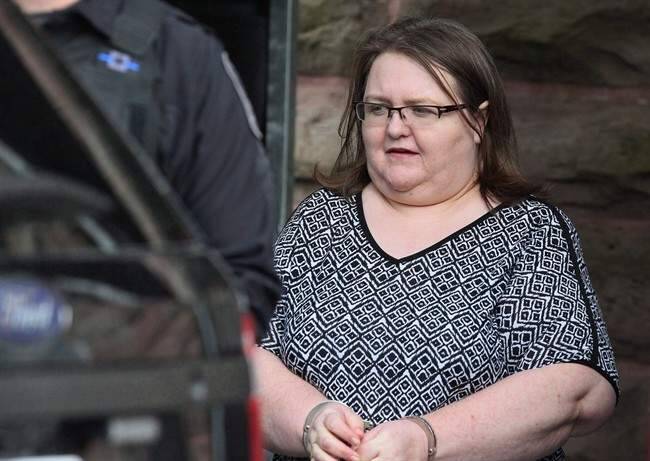
In 2017, Ontario nurse Elizabeth Wettlaufer was convicted of eight counts of first-degree murder, along with attempted murder and aggravated assault. The public inquiry that followed reached a chilling conclusion: her crimes would not have been discovered if she had not confessed. Justice Eileen Gillese identified systemic vulnerabilities that allowed those crimes to occur.
Let that sink in. There were regulated professionals, inspections and oversight. Yet her crimes remained undetected until she confessed.
That makes me furious. Families place enormous trust in these systems. We depend on them to recognise danger, investigate concerns and protect people who cannot protect themselves.
As Justice Gillese warned:
“It is not possible to detect or deter something unless you are aware it exists.”
But what happens when we do bring these concerns to their attention—and the response is to try to silence us or simply “do nothing”? That is the failure I am challenging through my father’s story. I raised the concerns. I provided evidence. I kept pushing. Families should not have to fight this hard to have their evidence properly examined.
You cannot say you need people to sound the alarm, then treat the person sounding it as the problem. Once concerns are brought to your attention, the question becomes what you actually do about them.
Watch Justice Eileen Gillese’s clip (38 seconds)
The connection to my father’s story is about oversight, evidence and accountability. His case must be assessed on its own facts. What this inquiry reinforces for me is why professional authority and institutional processes must always remain open to scrutiny.
When I present evidence that challenges the medical chart, I expect those contradictions to be investigated. When messages written at the time conflict with an account recorded later, I expect someone to examine why. Repeating the chart’s version does not resolve the discrepancy.
My father’s life mattered. The evidence deserves examination, and my persistence deserves an answer.
The lessons of a public inquiry should carry through to how the next family’s concerns are investigated. Patient safety demands scrutiny—even when the answers make an institution uncomfortable.
Source: Gillese Inquiry report — Executive Summary (2019)
Photo below: Elizabeth Wettlaufer. Dave Chidley / The Canadian Press, via Global News.